


Unlocking recycling potential
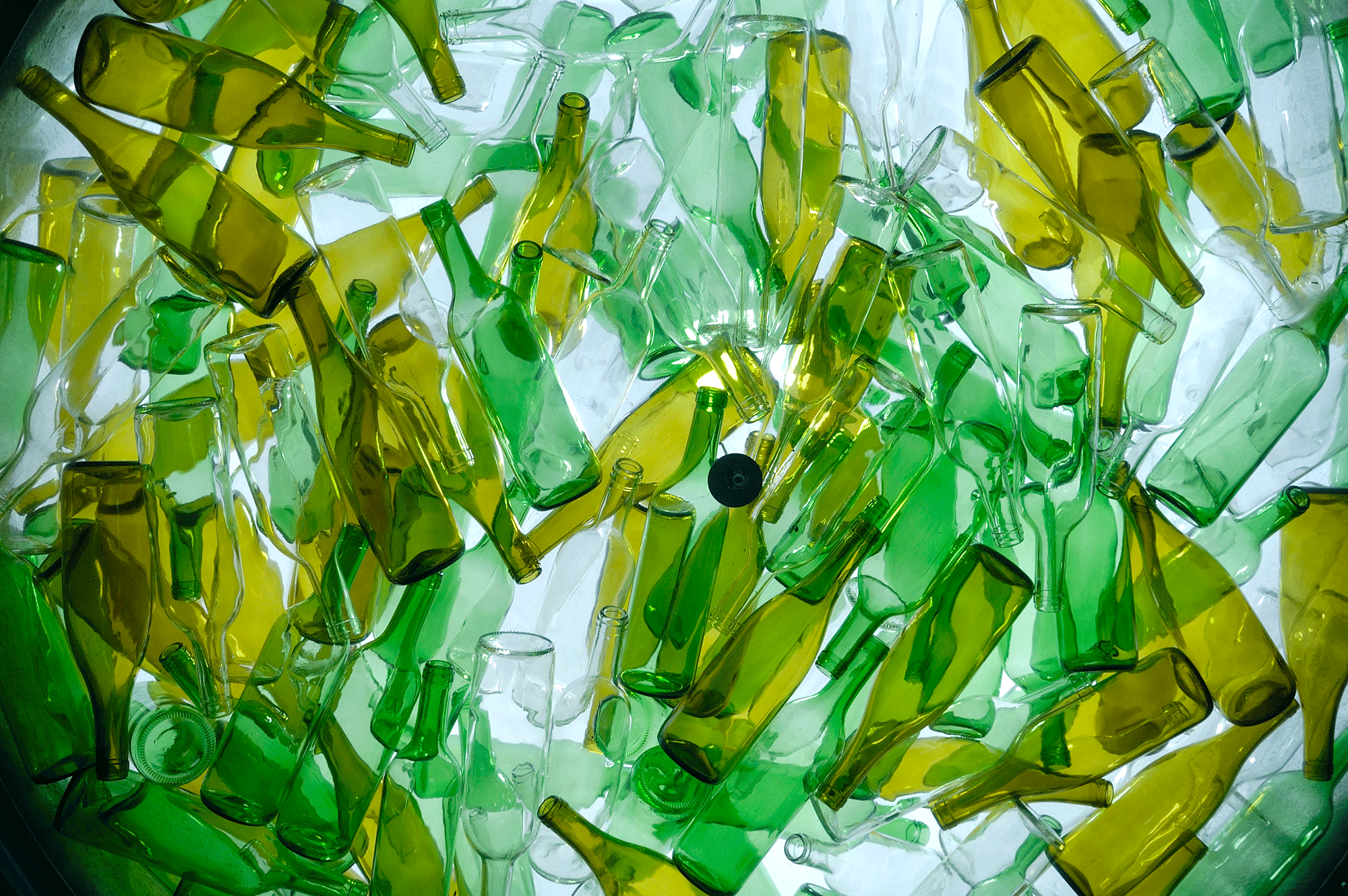
The United States is grappling with a growing recycling crisis. Despite decades of environmental campaigns and investments in recycling infrastructure, recycling rates have stagnated, with many states seeing declines. According to Ball Packaging’s latest 50 States of Recycling report, only 32% of the material value in the packaging waste stream is being captured for recycling, leading to an estimated $6.5 billion worth of valuable materials lost to landfills annually.
Beverage containers — aluminum cans, plastic bottles and glass — are some of the most recyclable materials, yet millions still go to waste each year. In fact, between 2015 and 2024, an estimated 1.5 trillion beverage containers were wasted in the U.S., including 785 billion PET bottles, 553 billion metal cans and 220 billion glass bottles, according to Reloop’s What We Waste Dashboard. Americans wasted an average of 504 beverage containers per person in 2024 alone, including 60 glass bottles, 181 metal cans and 263 PET bottles. If current collection rates remain unchanged, an additional 878.6 billion beverage containers are expected to be wasted between 2025 and 2029.
Deposit return systems, known as “bottle bills” in the U.S., offer a proven solution. Operating in 57 jurisdictions worldwide, including 10 U.S. states, these programs incentivize recycling by attaching refundable deposits to beverage containers, encouraging consumers to return them to designated collection points. In the last four years alone, 11 countries and territories have introduced a deposit system including two Australian states, Austria, Slovakia, Latvia, Malta, Romania, and the Republic of Ireland.


